

time-nuts@lists.febo.com

Discussion of precise time and frequency measurement

View all threads

How To Measure Long Term Phase Stability Of An Oscillator

W
W3KL
Sun, Sep 22, 2013 11:30 AM

How does one make a measurement of the phase stability of an oscillator over
a time period much larger than the oscillator period?  For example, I have
an oscillator with a frequency of 4 MHz and I want to measure the phase
drift of the RF between a given point in time and then a time 4 seconds
later.  I want to make a measurement that has a precision of 0.1 degree or
better.

Jeff

How does one make a measurement of the phase stability of an oscillator over a time period much larger than the oscillator period? For example, I have an oscillator with a frequency of 4 MHz and I want to measure the phase drift of the RF between a given point in time and then a time 4 seconds later. I want to make a measurement that has a precision of 0.1 degree or better. Jeff
AB
Azelio Boriani
Sun, Sep 22, 2013 11:46 AM

Time interval counter?

On Sun, Sep 22, 2013 at 1:30 PM, W3KL w3kl@w3kl.com wrote:

How does one make a measurement of the phase stability of an oscillator over
a time period much larger than the oscillator period?  For example, I have
an oscillator with a frequency of 4 MHz and I want to measure the phase
drift of the RF between a given point in time and then a time 4 seconds
later.  I want to make a measurement that has a precision of 0.1 degree or
better.

Jeff


time-nuts mailing list -- time-nuts@febo.com
To unsubscribe, go to https://www.febo.com/cgi-bin/mailman/listinfo/time-nuts
and follow the instructions there.

Time interval counter? On Sun, Sep 22, 2013 at 1:30 PM, W3KL <w3kl@w3kl.com> wrote: > How does one make a measurement of the phase stability of an oscillator over > a time period much larger than the oscillator period? For example, I have > an oscillator with a frequency of 4 MHz and I want to measure the phase > drift of the RF between a given point in time and then a time 4 seconds > later. I want to make a measurement that has a precision of 0.1 degree or > better. > > > > Jeff > > _______________________________________________ > time-nuts mailing list -- time-nuts@febo.com > To unsubscribe, go to https://www.febo.com/cgi-bin/mailman/listinfo/time-nuts > and follow the instructions there.
MD
Magnus Danielson
Sun, Sep 22, 2013 11:47 AM

On 09/22/2013 01:30 PM, W3KL wrote:

How does one make a measurement of the phase stability of an oscillator over
a time period much larger than the oscillator period?  For example, I have
an oscillator with a frequency of 4 MHz and I want to measure the phase
drift of the RF between a given point in time and then a time 4 seconds
later.  I want to make a measurement that has a precision of 0.1 degree or
better.

You want to measure a drift of 4/(4E6*3600) = 278 ps. You systematic
frequency error can be at maximum 1.39E-10 relative, For your noise side
look at TDEV at tau of 4 s, multiply that number by at least three and
it should when added with peak frequency error be below 278 ps.

Cheers,
Magnus
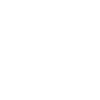
On 09/22/2013 01:30 PM, W3KL wrote: > How does one make a measurement of the phase stability of an oscillator over > a time period much larger than the oscillator period? For example, I have > an oscillator with a frequency of 4 MHz and I want to measure the phase > drift of the RF between a given point in time and then a time 4 seconds > later. I want to make a measurement that has a precision of 0.1 degree or > better. You want to measure a drift of 4/(4E6*3600) = 278 ps. You systematic frequency error can be at maximum 1.39E-10 relative, For your noise side look at TDEV at tau of 4 s, multiply that number by at least three and it should when added with peak frequency error be below 278 ps. Cheers, Magnus
BC
Bob Camp
Sun, Sep 22, 2013 11:56 AM

Hi

I think he needs 16X better than that (0.1 degrees in 4 seconds) so it's 1/(44e63600).

That's right around 2x10^-11, so you would need a system that's good to maybe 2x10^-12 to do the trick. The easy approach is to build several of the same oscillator and compare them to each other. The assumption would be that the drift will be random over the 4 second period.

Bob

On Sep 22, 2013, at 7:47 AM, Magnus Danielson magnus@rubidium.dyndns.org wrote:

On 09/22/2013 01:30 PM, W3KL wrote:

How does one make a measurement of the phase stability of an oscillator over
a time period much larger than the oscillator period?  For example, I have
an oscillator with a frequency of 4 MHz and I want to measure the phase
drift of the RF between a given point in time and then a time 4 seconds
later.  I want to make a measurement that has a precision of 0.1 degree or
better.

You want to measure a drift of 4/(4E6*3600) = 278 ps. You systematic
frequency error can be at maximum 1.39E-10 relative, For your noise side
look at TDEV at tau of 4 s, multiply that number by at least three and
it should when added with peak frequency error be below 278 ps.

Cheers,
Magnus


time-nuts mailing list -- time-nuts@febo.com
To unsubscribe, go to https://www.febo.com/cgi-bin/mailman/listinfo/time-nuts
and follow the instructions there.

Hi I think he needs 16X better than that (0.1 degrees in 4 seconds) so it's 1/(4*4e6*3600). That's right around 2x10^-11, so you would need a system that's good to maybe 2x10^-12 to do the trick. The easy approach is to build several of the same oscillator and compare them to each other. The assumption would be that the drift will be random over the 4 second period. Bob On Sep 22, 2013, at 7:47 AM, Magnus Danielson <magnus@rubidium.dyndns.org> wrote: > On 09/22/2013 01:30 PM, W3KL wrote: >> How does one make a measurement of the phase stability of an oscillator over >> a time period much larger than the oscillator period? For example, I have >> an oscillator with a frequency of 4 MHz and I want to measure the phase >> drift of the RF between a given point in time and then a time 4 seconds >> later. I want to make a measurement that has a precision of 0.1 degree or >> better. > You want to measure a drift of 4/(4E6*3600) = 278 ps. You systematic > frequency error can be at maximum 1.39E-10 relative, For your noise side > look at TDEV at tau of 4 s, multiply that number by at least three and > it should when added with peak frequency error be below 278 ps. > > Cheers, > Magnus > _______________________________________________ > time-nuts mailing list -- time-nuts@febo.com > To unsubscribe, go to https://www.febo.com/cgi-bin/mailman/listinfo/time-nuts > and follow the instructions there.
W
W3KL
Sun, Sep 22, 2013 12:01 PM

Magnus. Thanks.  If I understand, this reduces to a measurement of frequency
stability along a measurement of phase noise?

Jeff

-----Original Message-----
From: time-nuts-bounces@febo.com [mailto:time-nuts-bounces@febo.com] On
Behalf Of Magnus Danielson
Sent: Sunday, September 22, 2013 7:47 AM
To: time-nuts@febo.com
Subject: Re: [time-nuts] How To Measure Long Term Phase Stability Of An
Oscillator

On 09/22/2013 01:30 PM, W3KL wrote:

How does one make a measurement of the phase stability of an
oscillator over a time period much larger than the oscillator period?
For example, I have an oscillator with a frequency of 4 MHz and I want
to measure the phase drift of the RF between a given point in time and
then a time 4 seconds later.  I want to make a measurement that has a
precision of 0.1 degree or better.

You want to measure a drift of 4/(4E6*3600) = 278 ps. You systematic
frequency error can be at maximum 1.39E-10 relative, For your noise side
look at TDEV at tau of 4 s, multiply that number by at least three and it
should when added with peak frequency error be below 278 ps.

Cheers,
Magnus


time-nuts mailing list -- time-nuts@febo.com To unsubscribe, go to
https://www.febo.com/cgi-bin/mailman/listinfo/time-nuts
and follow the instructions there.

Magnus. Thanks. If I understand, this reduces to a measurement of frequency stability along a measurement of phase noise? Jeff -----Original Message----- From: time-nuts-bounces@febo.com [mailto:time-nuts-bounces@febo.com] On Behalf Of Magnus Danielson Sent: Sunday, September 22, 2013 7:47 AM To: time-nuts@febo.com Subject: Re: [time-nuts] How To Measure Long Term Phase Stability Of An Oscillator On 09/22/2013 01:30 PM, W3KL wrote: > How does one make a measurement of the phase stability of an > oscillator over a time period much larger than the oscillator period? > For example, I have an oscillator with a frequency of 4 MHz and I want > to measure the phase drift of the RF between a given point in time and > then a time 4 seconds later. I want to make a measurement that has a > precision of 0.1 degree or better. You want to measure a drift of 4/(4E6*3600) = 278 ps. You systematic frequency error can be at maximum 1.39E-10 relative, For your noise side look at TDEV at tau of 4 s, multiply that number by at least three and it should when added with peak frequency error be below 278 ps. Cheers, Magnus _______________________________________________ time-nuts mailing list -- time-nuts@febo.com To unsubscribe, go to https://www.febo.com/cgi-bin/mailman/listinfo/time-nuts and follow the instructions there.
BC
Bob Camp
Sun, Sep 22, 2013 12:11 PM

Hi

All you really need to do is to measure the frequency stability to the ppt level. There's no real need to measure phase noise.

Bob

On Sep 22, 2013, at 8:01 AM, W3KL w3kl@w3kl.com wrote:

Magnus. Thanks.  If I understand, this reduces to a measurement of frequency
stability along a measurement of phase noise?

Jeff

-----Original Message-----
From: time-nuts-bounces@febo.com [mailto:time-nuts-bounces@febo.com] On
Behalf Of Magnus Danielson
Sent: Sunday, September 22, 2013 7:47 AM
To: time-nuts@febo.com
Subject: Re: [time-nuts] How To Measure Long Term Phase Stability Of An
Oscillator

On 09/22/2013 01:30 PM, W3KL wrote:

How does one make a measurement of the phase stability of an
oscillator over a time period much larger than the oscillator period?
For example, I have an oscillator with a frequency of 4 MHz and I want
to measure the phase drift of the RF between a given point in time and
then a time 4 seconds later.  I want to make a measurement that has a
precision of 0.1 degree or better.

You want to measure a drift of 4/(4E6*3600) = 278 ps. You systematic
frequency error can be at maximum 1.39E-10 relative, For your noise side
look at TDEV at tau of 4 s, multiply that number by at least three and it
should when added with peak frequency error be below 278 ps.

Cheers,
Magnus


time-nuts mailing list -- time-nuts@febo.com To unsubscribe, go to
https://www.febo.com/cgi-bin/mailman/listinfo/time-nuts
and follow the instructions there.


time-nuts mailing list -- time-nuts@febo.com
To unsubscribe, go to https://www.febo.com/cgi-bin/mailman/listinfo/time-nuts
and follow the instructions there.

Hi All you really need to do is to measure the frequency stability to the ppt level. There's no real need to measure phase noise. Bob On Sep 22, 2013, at 8:01 AM, W3KL <w3kl@w3kl.com> wrote: > Magnus. Thanks. If I understand, this reduces to a measurement of frequency > stability along a measurement of phase noise? > > Jeff > > -----Original Message----- > From: time-nuts-bounces@febo.com [mailto:time-nuts-bounces@febo.com] On > Behalf Of Magnus Danielson > Sent: Sunday, September 22, 2013 7:47 AM > To: time-nuts@febo.com > Subject: Re: [time-nuts] How To Measure Long Term Phase Stability Of An > Oscillator > > On 09/22/2013 01:30 PM, W3KL wrote: >> How does one make a measurement of the phase stability of an >> oscillator over a time period much larger than the oscillator period? >> For example, I have an oscillator with a frequency of 4 MHz and I want >> to measure the phase drift of the RF between a given point in time and >> then a time 4 seconds later. I want to make a measurement that has a >> precision of 0.1 degree or better. > You want to measure a drift of 4/(4E6*3600) = 278 ps. You systematic > frequency error can be at maximum 1.39E-10 relative, For your noise side > look at TDEV at tau of 4 s, multiply that number by at least three and it > should when added with peak frequency error be below 278 ps. > > Cheers, > Magnus > _______________________________________________ > time-nuts mailing list -- time-nuts@febo.com To unsubscribe, go to > https://www.febo.com/cgi-bin/mailman/listinfo/time-nuts > and follow the instructions there. > > > _______________________________________________ > time-nuts mailing list -- time-nuts@febo.com > To unsubscribe, go to https://www.febo.com/cgi-bin/mailman/listinfo/time-nuts > and follow the instructions there.
MD
Magnus Danielson
Sun, Sep 22, 2013 5:01 PM

Jeff,

You need to measure phase with sufficient resolution and rate of time. I
was vague on the equipment side but rater noted what you needed to do in
the analysis-side.

I would prefer to measure it at least with 10 measurements a second. Bob
mentioned resolution, which is important as you don't want your
measurement being swamped by measurement noise.

I would use a TimePod, but not all of us have one, which is a pitty as
it is a good instrument suitable for exactly this.

Cheers,
Magnus

On 09/22/2013 02:01 PM, W3KL wrote:

Magnus. Thanks.  If I understand, this reduces to a measurement of frequency
stability along a measurement of phase noise?

Jeff

-----Original Message-----
From: time-nuts-bounces@febo.com [mailto:time-nuts-bounces@febo.com] On
Behalf Of Magnus Danielson
Sent: Sunday, September 22, 2013 7:47 AM
To: time-nuts@febo.com
Subject: Re: [time-nuts] How To Measure Long Term Phase Stability Of An
Oscillator

On 09/22/2013 01:30 PM, W3KL wrote:

How does one make a measurement of the phase stability of an
oscillator over a time period much larger than the oscillator period?
For example, I have an oscillator with a frequency of 4 MHz and I want
to measure the phase drift of the RF between a given point in time and
then a time 4 seconds later.  I want to make a measurement that has a
precision of 0.1 degree or better.

You want to measure a drift of 4/(4E6*3600) = 278 ps. You systematic
frequency error can be at maximum 1.39E-10 relative, For your noise side
look at TDEV at tau of 4 s, multiply that number by at least three and it
should when added with peak frequency error be below 278 ps.

Cheers,
Magnus


time-nuts mailing list -- time-nuts@febo.com To unsubscribe, go to
https://www.febo.com/cgi-bin/mailman/listinfo/time-nuts
and follow the instructions there.


time-nuts mailing list -- time-nuts@febo.com
To unsubscribe, go to https://www.febo.com/cgi-bin/mailman/listinfo/time-nuts
and follow the instructions there.

Jeff, You need to measure phase with sufficient resolution and rate of time. I was vague on the equipment side but rater noted what you needed to do in the analysis-side. I would prefer to measure it at least with 10 measurements a second. Bob mentioned resolution, which is important as you don't want your measurement being swamped by measurement noise. I would use a TimePod, but not all of us have one, which is a pitty as it is a good instrument suitable for exactly this. Cheers, Magnus On 09/22/2013 02:01 PM, W3KL wrote: > Magnus. Thanks. If I understand, this reduces to a measurement of frequency > stability along a measurement of phase noise? > > Jeff > > -----Original Message----- > From: time-nuts-bounces@febo.com [mailto:time-nuts-bounces@febo.com] On > Behalf Of Magnus Danielson > Sent: Sunday, September 22, 2013 7:47 AM > To: time-nuts@febo.com > Subject: Re: [time-nuts] How To Measure Long Term Phase Stability Of An > Oscillator > > On 09/22/2013 01:30 PM, W3KL wrote: >> How does one make a measurement of the phase stability of an >> oscillator over a time period much larger than the oscillator period? >> For example, I have an oscillator with a frequency of 4 MHz and I want >> to measure the phase drift of the RF between a given point in time and >> then a time 4 seconds later. I want to make a measurement that has a >> precision of 0.1 degree or better. > You want to measure a drift of 4/(4E6*3600) = 278 ps. You systematic > frequency error can be at maximum 1.39E-10 relative, For your noise side > look at TDEV at tau of 4 s, multiply that number by at least three and it > should when added with peak frequency error be below 278 ps. > > Cheers, > Magnus > _______________________________________________ > time-nuts mailing list -- time-nuts@febo.com To unsubscribe, go to > https://www.febo.com/cgi-bin/mailman/listinfo/time-nuts > and follow the instructions there. > > > _______________________________________________ > time-nuts mailing list -- time-nuts@febo.com > To unsubscribe, go to https://www.febo.com/cgi-bin/mailman/listinfo/time-nuts > and follow the instructions there.
W
W3KL
Sun, Sep 22, 2013 6:43 PM

Magnus.  Thanks.  Re-read your original post and along with your latest I
now understand what's needed.

I will come back if I have other questions.

Thanks!

Jeff

-----Original Message-----
From: time-nuts-bounces@febo.com [mailto:time-nuts-bounces@febo.com] On
Behalf Of Magnus Danielson
Sent: Sunday, September 22, 2013 1:02 PM
To: time-nuts@febo.com
Subject: Re: [time-nuts] How To Measure Long Term Phase Stability Of An
Oscillator

Jeff,

You need to measure phase with sufficient resolution and rate of time. I was
vague on the equipment side but rater noted what you needed to do in the
analysis-side.

I would prefer to measure it at least with 10 measurements a second. Bob
mentioned resolution, which is important as you don't want your measurement
being swamped by measurement noise.

I would use a TimePod, but not all of us have one, which is a pitty as it is
a good instrument suitable for exactly this.

Cheers,
Magnus

On 09/22/2013 02:01 PM, W3KL wrote:

Magnus. Thanks.  If I understand, this reduces to a measurement of
frequency stability along a measurement of phase noise?

Jeff

-----Original Message-----
From: time-nuts-bounces@febo.com [mailto:time-nuts-bounces@febo.com]
On Behalf Of Magnus Danielson
Sent: Sunday, September 22, 2013 7:47 AM
To: time-nuts@febo.com
Subject: Re: [time-nuts] How To Measure Long Term Phase Stability Of
An Oscillator

On 09/22/2013 01:30 PM, W3KL wrote:

How does one make a measurement of the phase stability of an
oscillator over a time period much larger than the oscillator period?
For example, I have an oscillator with a frequency of 4 MHz and I
want to measure the phase drift of the RF between a given point in
time and then a time 4 seconds later.  I want to make a measurement
that has a precision of 0.1 degree or better.

You want to measure a drift of 4/(4E6*3600) = 278 ps. You systematic
frequency error can be at maximum 1.39E-10 relative, For your noise
side look at TDEV at tau of 4 s, multiply that number by at least
three and it should when added with peak frequency error be below 278 ps.

Cheers,
Magnus


time-nuts mailing list -- time-nuts@febo.com To unsubscribe, go to
https://www.febo.com/cgi-bin/mailman/listinfo/time-nuts
and follow the instructions there.


time-nuts mailing list -- time-nuts@febo.com To unsubscribe, go to
https://www.febo.com/cgi-bin/mailman/listinfo/time-nuts
and follow the instructions there.


time-nuts mailing list -- time-nuts@febo.com To unsubscribe, go to
https://www.febo.com/cgi-bin/mailman/listinfo/time-nuts
and follow the instructions there.

Magnus. Thanks. Re-read your original post and along with your latest I now understand what's needed. I will come back if I have other questions. Thanks! Jeff -----Original Message----- From: time-nuts-bounces@febo.com [mailto:time-nuts-bounces@febo.com] On Behalf Of Magnus Danielson Sent: Sunday, September 22, 2013 1:02 PM To: time-nuts@febo.com Subject: Re: [time-nuts] How To Measure Long Term Phase Stability Of An Oscillator Jeff, You need to measure phase with sufficient resolution and rate of time. I was vague on the equipment side but rater noted what you needed to do in the analysis-side. I would prefer to measure it at least with 10 measurements a second. Bob mentioned resolution, which is important as you don't want your measurement being swamped by measurement noise. I would use a TimePod, but not all of us have one, which is a pitty as it is a good instrument suitable for exactly this. Cheers, Magnus On 09/22/2013 02:01 PM, W3KL wrote: > Magnus. Thanks. If I understand, this reduces to a measurement of > frequency stability along a measurement of phase noise? > > Jeff > > -----Original Message----- > From: time-nuts-bounces@febo.com [mailto:time-nuts-bounces@febo.com] > On Behalf Of Magnus Danielson > Sent: Sunday, September 22, 2013 7:47 AM > To: time-nuts@febo.com > Subject: Re: [time-nuts] How To Measure Long Term Phase Stability Of > An Oscillator > > On 09/22/2013 01:30 PM, W3KL wrote: >> How does one make a measurement of the phase stability of an >> oscillator over a time period much larger than the oscillator period? >> For example, I have an oscillator with a frequency of 4 MHz and I >> want to measure the phase drift of the RF between a given point in >> time and then a time 4 seconds later. I want to make a measurement >> that has a precision of 0.1 degree or better. > You want to measure a drift of 4/(4E6*3600) = 278 ps. You systematic > frequency error can be at maximum 1.39E-10 relative, For your noise > side look at TDEV at tau of 4 s, multiply that number by at least > three and it should when added with peak frequency error be below 278 ps. > > Cheers, > Magnus > _______________________________________________ > time-nuts mailing list -- time-nuts@febo.com To unsubscribe, go to > https://www.febo.com/cgi-bin/mailman/listinfo/time-nuts > and follow the instructions there. > > > _______________________________________________ > time-nuts mailing list -- time-nuts@febo.com To unsubscribe, go to > https://www.febo.com/cgi-bin/mailman/listinfo/time-nuts > and follow the instructions there. _______________________________________________ time-nuts mailing list -- time-nuts@febo.com To unsubscribe, go to https://www.febo.com/cgi-bin/mailman/listinfo/time-nuts and follow the instructions there.
MD
Magnus Danielson
Sun, Sep 22, 2013 8:42 PM

Jeff,

Sorry if I was unclear in the first message, but I was tired.

The factor of 3 that I have in the first message is a huge
approximation, and could be a higher value for higher confidence
interval. It's an attempt to handle the chi-square distribution margin
for some probability of staying within. I used 3, as the traditional
engineering margin for the usual gaussian distribution, mostly because I
was to tired to dig up the propper value, but it doesn't really care as
it is an approximation never the less and in the right direction.

The underlying point is that you need to estimate the systematic and
random effects separately, and then fit them together with their quite
drastic different probability behaviors. You can't use either of the
tools as the single tool, unless you have a fairly good idea of the
dominant part, which I can't in this case.

I discussed this point with Dr. Allan, and he only knew of a pair of
articles even covering this aspect, but he agreed on the overall approach.

Cheers,
Magnus

On 09/22/2013 08:43 PM, W3KL wrote:

Magnus.  Thanks.  Re-read your original post and along with your latest I
now understand what's needed.

I will come back if I have other questions.

Thanks!

Jeff

-----Original Message-----
From: time-nuts-bounces@febo.com [mailto:time-nuts-bounces@febo.com] On
Behalf Of Magnus Danielson
Sent: Sunday, September 22, 2013 1:02 PM
To: time-nuts@febo.com
Subject: Re: [time-nuts] How To Measure Long Term Phase Stability Of An
Oscillator

Jeff,

You need to measure phase with sufficient resolution and rate of time. I was
vague on the equipment side but rater noted what you needed to do in the
analysis-side.

I would prefer to measure it at least with 10 measurements a second. Bob
mentioned resolution, which is important as you don't want your measurement
being swamped by measurement noise.

I would use a TimePod, but not all of us have one, which is a pitty as it is
a good instrument suitable for exactly this.

Cheers,
Magnus

On 09/22/2013 02:01 PM, W3KL wrote:

Magnus. Thanks.  If I understand, this reduces to a measurement of
frequency stability along a measurement of phase noise?

Jeff

-----Original Message-----
From: time-nuts-bounces@febo.com [mailto:time-nuts-bounces@febo.com]
On Behalf Of Magnus Danielson
Sent: Sunday, September 22, 2013 7:47 AM
To: time-nuts@febo.com
Subject: Re: [time-nuts] How To Measure Long Term Phase Stability Of
An Oscillator

On 09/22/2013 01:30 PM, W3KL wrote:

How does one make a measurement of the phase stability of an
oscillator over a time period much larger than the oscillator period?
For example, I have an oscillator with a frequency of 4 MHz and I
want to measure the phase drift of the RF between a given point in
time and then a time 4 seconds later.  I want to make a measurement
that has a precision of 0.1 degree or better.

You want to measure a drift of 4/(4E6*3600) = 278 ps. You systematic
frequency error can be at maximum 1.39E-10 relative, For your noise
side look at TDEV at tau of 4 s, multiply that number by at least
three and it should when added with peak frequency error be below 278 ps.

Cheers,
Magnus


time-nuts mailing list -- time-nuts@febo.com To unsubscribe, go to
https://www.febo.com/cgi-bin/mailman/listinfo/time-nuts
and follow the instructions there.


time-nuts mailing list -- time-nuts@febo.com To unsubscribe, go to
https://www.febo.com/cgi-bin/mailman/listinfo/time-nuts
and follow the instructions there.


time-nuts mailing list -- time-nuts@febo.com To unsubscribe, go to
https://www.febo.com/cgi-bin/mailman/listinfo/time-nuts
and follow the instructions there.


time-nuts mailing list -- time-nuts@febo.com
To unsubscribe, go to https://www.febo.com/cgi-bin/mailman/listinfo/time-nuts
and follow the instructions there.

Jeff, Sorry if I was unclear in the first message, but I was tired. The factor of 3 that I have in the first message is a huge approximation, and could be a higher value for higher confidence interval. It's an attempt to handle the chi-square distribution margin for some probability of staying within. I used 3, as the traditional engineering margin for the usual gaussian distribution, mostly because I was to tired to dig up the propper value, but it doesn't really care as it is an approximation never the less and in the right direction. The underlying point is that you need to estimate the systematic and random effects separately, and then fit them together with their quite drastic different probability behaviors. You can't use either of the tools as the single tool, unless you have a fairly good idea of the dominant part, which I can't in this case. I discussed this point with Dr. Allan, and he only knew of a pair of articles even covering this aspect, but he agreed on the overall approach. Cheers, Magnus On 09/22/2013 08:43 PM, W3KL wrote: > Magnus. Thanks. Re-read your original post and along with your latest I > now understand what's needed. > > I will come back if I have other questions. > > Thanks! > > Jeff > > -----Original Message----- > From: time-nuts-bounces@febo.com [mailto:time-nuts-bounces@febo.com] On > Behalf Of Magnus Danielson > Sent: Sunday, September 22, 2013 1:02 PM > To: time-nuts@febo.com > Subject: Re: [time-nuts] How To Measure Long Term Phase Stability Of An > Oscillator > > Jeff, > > You need to measure phase with sufficient resolution and rate of time. I was > vague on the equipment side but rater noted what you needed to do in the > analysis-side. > > I would prefer to measure it at least with 10 measurements a second. Bob > mentioned resolution, which is important as you don't want your measurement > being swamped by measurement noise. > > I would use a TimePod, but not all of us have one, which is a pitty as it is > a good instrument suitable for exactly this. > > Cheers, > Magnus > > On 09/22/2013 02:01 PM, W3KL wrote: >> Magnus. Thanks. If I understand, this reduces to a measurement of >> frequency stability along a measurement of phase noise? >> >> Jeff >> >> -----Original Message----- >> From: time-nuts-bounces@febo.com [mailto:time-nuts-bounces@febo.com] >> On Behalf Of Magnus Danielson >> Sent: Sunday, September 22, 2013 7:47 AM >> To: time-nuts@febo.com >> Subject: Re: [time-nuts] How To Measure Long Term Phase Stability Of >> An Oscillator >> >> On 09/22/2013 01:30 PM, W3KL wrote: >>> How does one make a measurement of the phase stability of an >>> oscillator over a time period much larger than the oscillator period? >>> For example, I have an oscillator with a frequency of 4 MHz and I >>> want to measure the phase drift of the RF between a given point in >>> time and then a time 4 seconds later. I want to make a measurement >>> that has a precision of 0.1 degree or better. >> You want to measure a drift of 4/(4E6*3600) = 278 ps. You systematic >> frequency error can be at maximum 1.39E-10 relative, For your noise >> side look at TDEV at tau of 4 s, multiply that number by at least >> three and it should when added with peak frequency error be below 278 ps. >> >> Cheers, >> Magnus >> _______________________________________________ >> time-nuts mailing list -- time-nuts@febo.com To unsubscribe, go to >> https://www.febo.com/cgi-bin/mailman/listinfo/time-nuts >> and follow the instructions there. >> >> >> _______________________________________________ >> time-nuts mailing list -- time-nuts@febo.com To unsubscribe, go to >> https://www.febo.com/cgi-bin/mailman/listinfo/time-nuts >> and follow the instructions there. > _______________________________________________ > time-nuts mailing list -- time-nuts@febo.com To unsubscribe, go to > https://www.febo.com/cgi-bin/mailman/listinfo/time-nuts > and follow the instructions there. > > > _______________________________________________ > time-nuts mailing list -- time-nuts@febo.com > To unsubscribe, go to https://www.febo.com/cgi-bin/mailman/listinfo/time-nuts > and follow the instructions there.
CA
Chris Albertson
Sun, Sep 22, 2013 10:15 PM

On Sun, Sep 22, 2013 at 4:30 AM, W3KL w3kl@w3kl.com wrote:

How does one make a measurement of the phase stability of an oscillator over
a time period much larger than the oscillator period?  For example, I have
an oscillator with a frequency of 4 MHz and I want to measure the phase
drift of the RF between a given point in time and then a time 4 seconds
later.  I want to make a measurement that has a precision of 0.1 degree or
better.

The simplest way to first to get a very much better oscillator than
the one you need to test.  You need a "refference".  Then you "add
them" and if there is any deference at all you will get a beat
frequency

If the two are "close" the beat will be very slow, slow enough you can
measure the period with a wrst watch.  Put the two on a daul channel
scope nd watch.

More sofesticaed method is to use a transformer to add the two signals
then feed the sun into a computer's audio input or otherwise record
the beat frequency.  You can do an FFT on the recording.

I sure others will have even better methods but my point is that
simple technique can work, provided you have a really god reference
oscillator.

--

Chris Albertson
Redondo Beach, California

On Sun, Sep 22, 2013 at 4:30 AM, W3KL <w3kl@w3kl.com> wrote: > How does one make a measurement of the phase stability of an oscillator over > a time period much larger than the oscillator period? For example, I have > an oscillator with a frequency of 4 MHz and I want to measure the phase > drift of the RF between a given point in time and then a time 4 seconds > later. I want to make a measurement that has a precision of 0.1 degree or > better. The simplest way to first to get a very much better oscillator than the one you need to test. You need a "refference". Then you "add them" and if there is any deference at all you will get a beat frequency If the two are "close" the beat will be very slow, slow enough you can measure the period with a wrst watch. Put the two on a daul channel scope nd watch. More sofesticaed method is to use a transformer to add the two signals then feed the sun into a computer's audio input or otherwise record the beat frequency. You can do an FFT on the recording. I sure others will have even better methods but my point is that simple technique can work, provided you have a really god reference oscillator. -- Chris Albertson Redondo Beach, California